
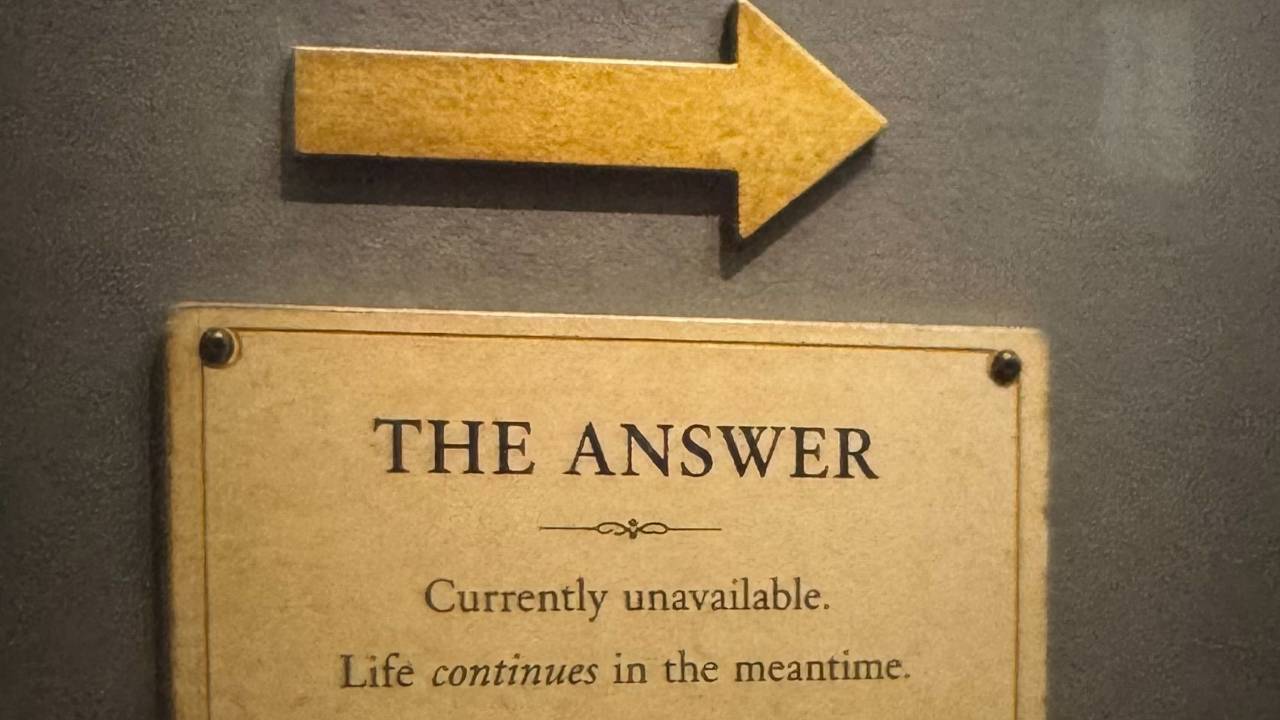
"The wound is the place where the Light enters you."
— Rumi
One of my favorite stories from Greek mythology is that of Chiron, the wise centaur known as the great healer.
Unlike the other centaurs, Chiron was thoughtful, compassionate, and deeply devoted to learning. He studied medicine, herbs, music, philosophy, and the healing arts. He taught heroes. He gathered knowledge. He spent his life helping others recover from their suffering.
Then one day, Chiron was accidentally struck by an arrow poisoned with the venom of the Hydra. Chiron was part man and part God. Therefore, he was immortal and the wound would not heal if he was living. This is the irony that has echoed through centuries - the greatest healer in Greek mythology could not heal himself.
For years, I thought the moral of the story was simple, even those who help others have wounds of their own. There is certainly truth in that. But I wonder if there is something even more profound hidden within the myth. Chiron's greatest wound was not the arrow. Perhaps it was believing in the identity he had adopted…. that because he was the healer, he should be able to heal himself.
Chiron possessed an extraordinary knowledge of healing. He could readily relieve the suffering of others. But nothing he studied could cure his own wound. It is easy to believe that knowledge, having the “right” answer, can fix whatever we need. But what happens when answers never arrive? When despite asking all the right questions, the problem remains unsolvable?
We often fall into this trap. If we just read one more book, attend one more workshop, ask one more question, or finally uncover the missing piece from our childhood, everything will fall into place. We believe there must be an explanation for our pain and that once we discover it, peace will finally arrive. Like Chiron, we search, we study, we experiment, we try to solve each problem.
Sometimes we do. Sometimes understanding changes everything. But sometimes life hands us experiences that refuse to be solved. A diagnosis. A loss. A betrayal. A child who struggles. A dream that never becomes reality. Questions that remain unanswered.
Our modern world has taught us that every problem has a solution IF we simply keep searching long enough. Science has given us extraordinary gifts, and I am endlessly grateful for them. But somewhere along the way, many of us quietly adopted another belief. If I don't find the answer, I can't be at peace.
The older I get, the more I believe our suffering is often less about the wound itself and more about our attachment to what we THINK should have happened instead.
Yogic philosophy says that all suffering comes from attachment. Attachment to what we do have. To what we don’t have. To what we think and feel. Attachment to the outcome we desire. Suffering is not found in the asking of questions. Not from learning. Not from seeking understanding. Suffering comes from attachment to our identity as healer. Fixer. Problem solver.
Knowledge could take Chiron only so far. Eventually there was nothing else to know. There was only something to see. His wound existed. His knowledge existed. His inability to heal it existed. And his suffering was intensified by the demand that reality should somehow BE different.
Chiron's wound may have been part of what made him such an extraordinary healer. A person who has never suffered can understand pain intellectually. A wounded person knows it differently. Which leads to a very different definition of healing.
Maybe healing doesn't always mean that the wound disappears. Maybe it means that the wound no longer determines who I am. And perhaps Chiron's final lesson was even more radical. I do not have to fix myself to be whole. That doesn't mean resignation. It doesn't mean we stop treating illness, changing destructive behavior, learning, growing or repairing what can be repaired.
It means relinquishing the belief that wholeness is waiting on the other side of fixing everything that hurts.
What did Chiron finally learn? What did he need to let go of? His identity as the one who knew how to heal. The trap set for himself was the predicament of…if I am the healer and I cannot heal myself, what does that make me? Perhaps his deepest wound wasn’t the arrow, but instead the contradiction between who he believed he was supposed to be and what was true.
Maybe this is why Chiron's story still matters. He searched. He learned. He did everything a wise person could do. And eventually he reached the edge of knowledge itself. The question was no longer, "How do I heal this wound?" The question became, "This is the life I have been given. Now what?"
That is not resignation. It is participation. It is choosing to stop negotiating with reality and begin responding to it. Because here is the surprising thing. Sometimes we ask a question and find exactly the answer we hoped for. Sometimes we find an answer we never wanted. Sometimes we find only part of an answer. And sometimes no answer ever comes.
Getting curious about our lives can give us a small space to see the next step more clearly. Curiosity can live with all four of those outcomes. Attachment can only survive with the first one. We have a question and we MUST find the answer. Not only find it, but it must resolve the problem, find an end to any suffering or doubt. There must be closure. Without the answer, there is no real peace.
Healing is not always the disappearance of the wound. Perhaps healing is simply no longer planning your entire life around waiting for it to disappear. There is freedom in that. Not because the pain is gone. But because your life is no longer on hold. Perhaps the wounded healer's final lesson is not how to heal the wound. It is how to stop organizing a life around the belief that the wound must disappear before life can be lived.
Maybe that is what Chiron ultimately discovered. His wound did not disqualify him from living. It deepened his compassion. It expanded his understanding. It softened his heart. It made him less of a God and more human.
What happens when we shift our perspective from having to solve everything to simply acknowledging, “This is here. What will I do with it?”
That question helps redefine what "letting go" means. Letting go isn't giving up. It isn't passivity. It isn't saying nothing matters. And it certainly is not refusing to investigate something that can be understood or changed.
It is releasing the contract we've unconsciously written with life. The one that keeps us believing that if I work hard enough, become wise enough, heal enough, meditate enough, read enough books, go to enough therapy, ask enough questions and understand myself deeply enough, eventually life will make sense.
True freedom isn't in knowing nothing. Freedom come when we no longer require certainty before being willing to live.
Maybe life won’t make sense. And strangely, that doesn't have to be frightening. It might be freedom. Because then curiosity stops being another self-improvement assignment. You can notice. You can investigate. You can learn. You can change what can be changed. You can grieve what cannot. You can remain open to something you haven't yet understood. And you can continue living without requiring the universe to close the loop.
Answers are not overrated. Nor is it that questions and curiosity are better than answers. Perhaps it is our relationship to both that determines whether we participate in life or allow life to keep us in a stranglehold of stress. Of thinking that if we can’t figure it out, we must be broken.
There is a difference between these two statements… “I don't know” and “I don’t need to know…yet. And perhaps I never will.” The first can feel like failure. The second feels like trust.
Here is an invitation for each of us. Notice the wound. Listen to what has shaped it within you. Be curious about the person it is asking you to become. Seek understanding if it comes. Accept mystery if it doesn’t.
In the end, peace may have less to do with finding the answer than with loosening our grip on needing one. Maybe, just maybe, we were not meant to solve everything life hands us. Maybe we were simply meant to live in the questions more fully.
Much Love,
Lisa
If you enjoyed this blog and believe someone else might enjoy it as well, please feel free to forward. If this was forwarded to you and you would like to hear more, please sign up below to receive future emails.
Lisa Hamil is a founding member and host for The SOS Collective, an online international women’s recovery and support group. However, this blog and any classes or coaching offered by Lisa Hamil LLC are separate from and not affiliated in any way with The SOS Collective.
Stay connected with news and updates!
Join our mailing list to receive the latest news and updates from our team.
Don't worry, your information will not be shared.
We hate SPAM. We will never sell your information, for any reason.
