
“Healing may not begin with fixing ourselves, but with becoming less certain that the worst thing we believe about ourselves is true.”
I never set out to become “addicted.” In fact, that single word kept me from seeking help for most of my life. Yet over time, addiction slowly became an identity I neither wanted to own nor knew how to let go of.
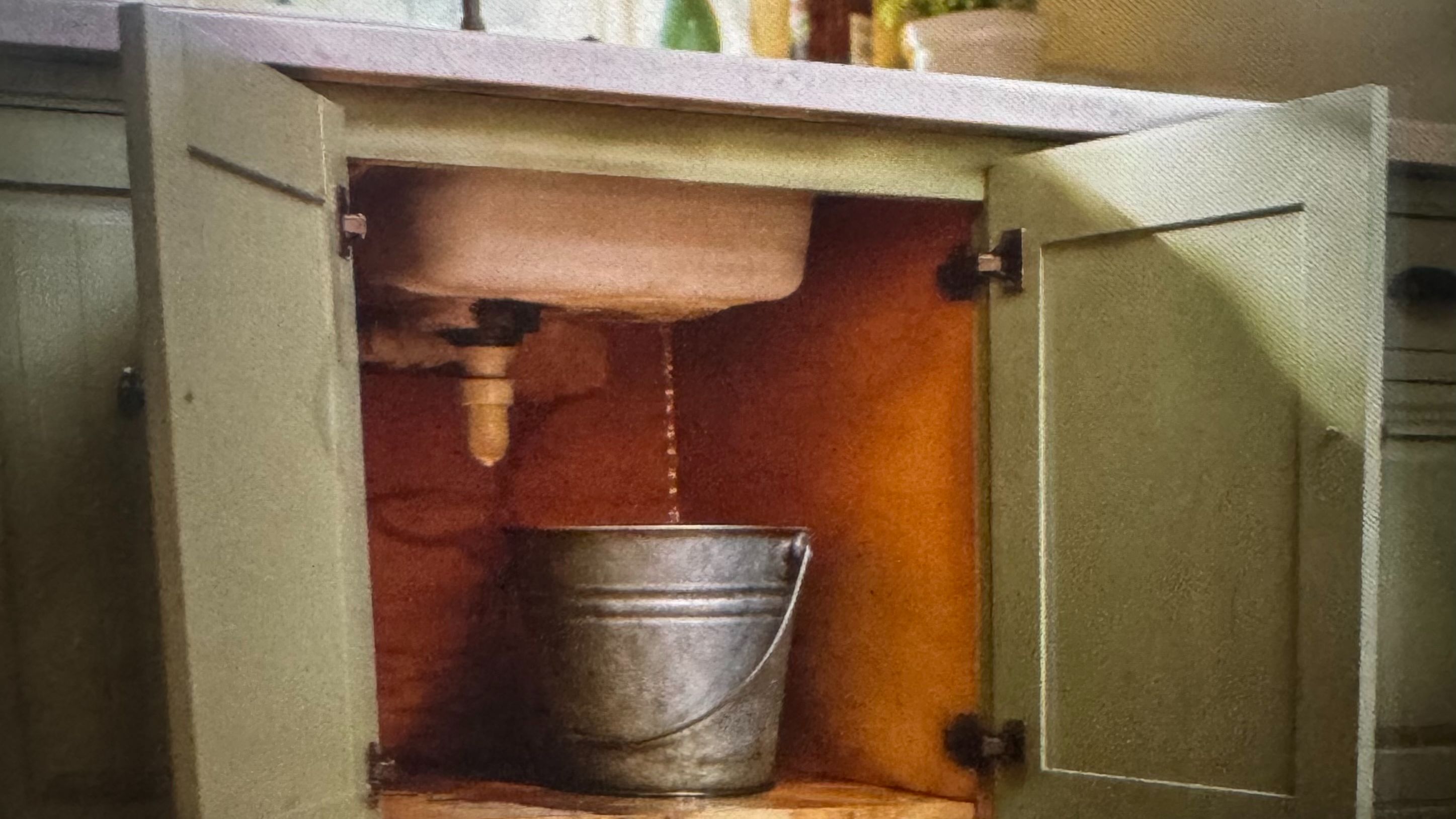
Addiction entered my life with the same slow tenacity of water dripping into a bucket beneath the kitchen sink. At first, the bucket seemed useful. Practical, even. It caught the leak. It prevented a bigger mess. But slow, steady drips have a way of filling a bucket quietly, almost invisibly, until one day it begins to overflow. What started as a solution could no longer contain the problem it was trying to solve.
Just like that bucket hidden behind the cabinet door, my addiction stayed tucked away from view. No one wants to admit they have a leak. So instead of fixing the source, I kept emptying the bucket and putting it back, convincing myself I had things under control. Only when the water began leaking through the cracks in the floor did I finally understand that I was responsible for repairing the leak, not just managing the overflow. But by then, the bucket had been there so long, I had become blind to any other solution.
There are many strange aspects of addiction, but the slow incorporation of an identity you did not ask for, is one of the most confusing. Eventually the coping mechanism stops feeling like something you use and starts feeling like something you ARE. The bucket became part of the cabinet. Part of the routine. Part of the identity of the house itself.
I could no longer see it as temporary. I had to see it as mine.
And when the leak was finally exposed, I found myself grieving something I never consciously chose yet somehow had grown attached to. Not because addiction made my life better, but because it had quietly organized so much of my emotional world. It explained my behavior. It softened discomfort. It gave shape to pain I didn’t know how to name. Removing it felt less like losing a habit and more like losing a version of myself.
That is the paradox no one talks about in recovery. Sometimes we must grieve identities we never wanted in the first place. Identities that crept in so slowly, they were not even noticed until they were overflowing. Because even painful identities become familiar. And familiar things, even unhealthy ones, feel safe. The mind would rather stay with a painful certainty than sit in uncertainty. Stay with a piece of our self that was neither wanted nor acknowledged, but feels oh so comfortable. I thought I was grieving alcohol. But I was really grieving the person who believed she needed it.
Before I could fix the leak, I had to understand why I had allowed it to exist for so long. I had to examine the STORY I had created to justify my inattention. Addiction is often less about the substance or behavior itself and more about the story the mind is using to create emotional certainty. My brain became a screenwriter. Lines blurred between what really happened and the story I was telling myself.
My mind took repeated narratives, “I’m not lovable. I’m too much. I’m failing. I’ll be abandoned. I’m broken.” …and started gathering “evidence” to support the movie. A delayed text became rejection. A mistake became proof of inadequacy. A hard season became evidence that life will always feel this way.
And eventually my inner narrative stopped asking, “Is this true?” and started saying, “See? I knew it.” This line of thinking is deeply connected to addiction because addictive behavior often functions as relief from the pain of the narrative WE CREATED. OUR own screenwriter. Not reality. A false narrative.
The false story creates distress. The addictive behavior temporarily relieves the distress. The relief reinforces the story. That loop becomes identity.
Eventually, we discover something no one really prepares us for…recovery is not just about stopping a behavior. It is about grieving an identity. An identity we never consciously chose yet somehow built our lives around.
That is what made letting go so difficult for me. I thought I was trying to quit drinking. I was instead releasing was a version of myself that had quietly formed around my addiction. A hidden aspect of myself built slowly through repetition, survival, fear, relief, and story.
The bucket under the sink was never just a bucket. It became part of the house. Part of the routine. Part of the structure. Part of the story I told myself about how life worked. Or didn’t work. Eventually, the bucket stopped feeling like something I used and started feeling like something I was.
That is the strange progression of addiction. Coping mechanisms that slowly merge with identity. The thing that once helped you survive begins shaping how you see yourself, how you relate to the world, and what you believe is possible for your life. Which is why recovery can feel less like healing and more like loss. When the bucket is finally removed, you are no longer just confronting the leak. You are confronting the grief of realizing how long you built your life around hiding it.
And grief is complicated when the thing you are grieving also hurt you.
We understand grieving people we love. Grieving marriages. Grieving childhoods. Grieving dreams. But grieving addiction feels confusing because the relationship itself was painful. We think if something harmed us, we should feel nothing but relief when it is gone. But addiction was never only destructive. It comforted. Protected. Numbed. Distracted. Regulated. Explained. Contained. It became a companion to pain. Which means letting it go can feel like losing a caretaker, even when you know that caretaker was slowly destroying the house.
Yet one more paradox of recovery…we grieve the very thing we are trying to survive. Not because we want the suffering back, but because some part of us still remembers how the suffering once helped us cope
Which is why healing may not begin with fixing ourselves, but with becoming less certain that the worst thing we believe about ourselves is true. This sentence feels like grief to me now. Grief is not only mourning what we lost, grief is also mourning what we believed.
Mourning the years spent inside a story that was never fully true. Mourning the identity built around survival. Mourning the hidden self who spent years trying to hold everything together with temporary solutions. And maybe recovery is not about becoming someone entirely new. Maybe it is about grieving enough of the false story that the real self finally has room to emerge.
Not the perfect self. Not the healed self. Just the honest self.
The self beneath the coping. Beneath the performance. Beneath the certainty. Beneath the bucket.
Because eventually I understood…healing was never about learning how to carry the bucket better. Healing was becoming willing to believe the house itself was still worth repairing.
Much love,
Lisa
If you enjoyed this blog and believe someone else might enjoy it as well, please feel free to forward. If this was forwarded to you and you would like to hear more, please sign up below to receive future emails.
Lisa Hamil is a founding member and host for The SOS Collective, an online international women’s recovery and support group. However, this blog and any classes or coaching offered by Lisa Hamil LLC are separate from and not affiliated in any way with The SOS Collective.
Stay connected with news and updates!
Join our mailing list to receive the latest news and updates from our team.
Don't worry, your information will not be shared.
We hate SPAM. We will never sell your information, for any reason.
